

updates
Conducted noise - Differential and Common mode noise
On the previous article we have seen what the conducted noise is and how it links with the radiated noise to. CISPR regulations require that you have two tests setup for testing conducted and radiated noise. In regards to the conducted noise, while the standards require that the absolute value should be below a certain threshold, understanding what contributes to the total noise, could be beneficial for the design. Indeed the conducted noise is made of two components, Differential Mode (DM) and Common Mode (CM). The two components summed together is what we measure with the spectrum analyzer or the receiver. In this article we see the details of the DM and CM. Out of the values the designer can better leverage how to dimension the EMI filter, either for the DM or CM noise.
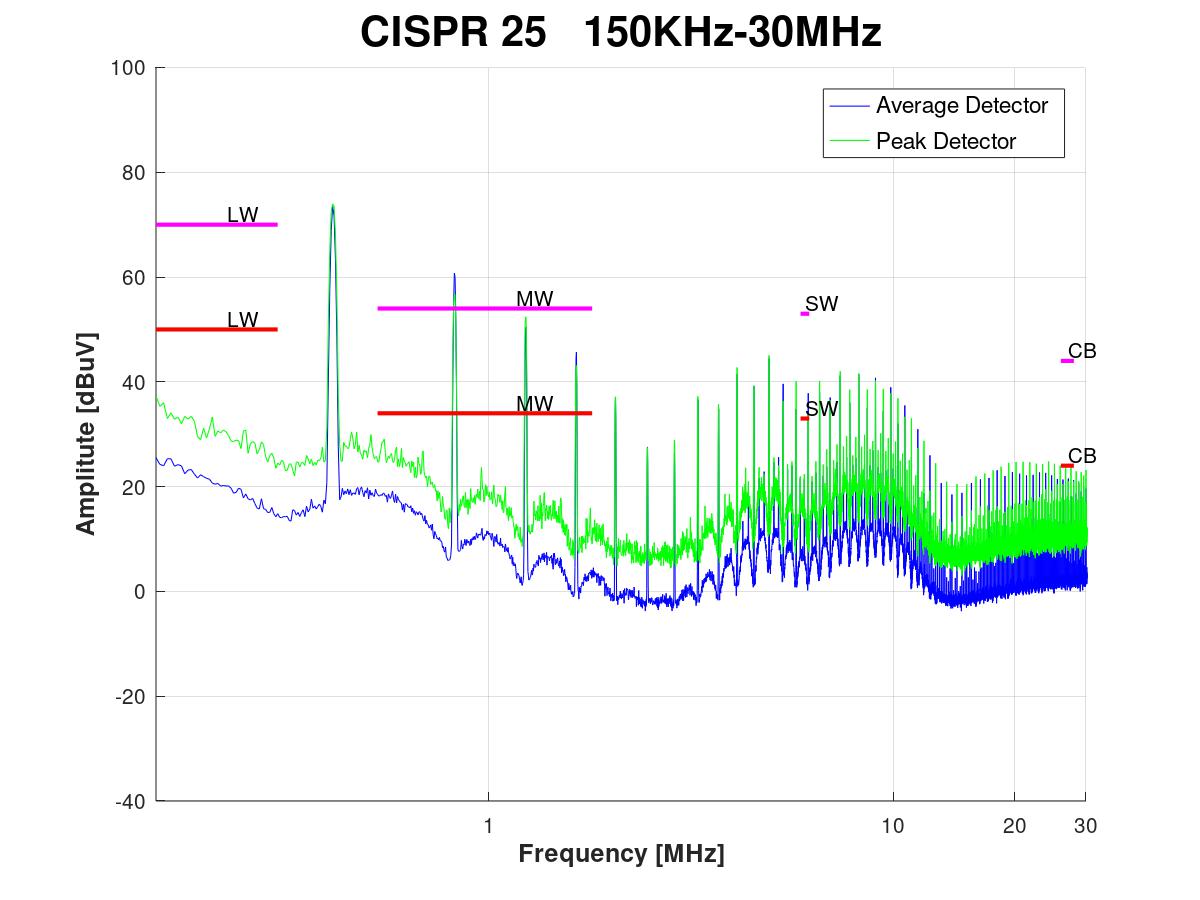
Conducted and radiated tests from Maxwell's equations perspective
CISPR standards require testing each product from a conducted and radiated fields perspective. CISPR 11 and CISPR 32 require testing the conducted noise from 150KHz up to 30MHz. CISPR 25, addressing automotive products, requires testing the systems up to 108MHz. To complicate the understanding the MIL standards require testing the conducted noise up to 400MHz. Thus the question of what makes a noise conducted or radiated is legitimized. Things can get clarified if the Maxwell’s equations are taken into account to better analyze the effects of the conducted and radiated noise and from where they come from.
Registrati al sito
Accedi a tutte le risorse e articoli non visibili pubblicamente, puoi registrarti con pochi passi.