

Conducted and radiated tests from Maxwell's equations perspective
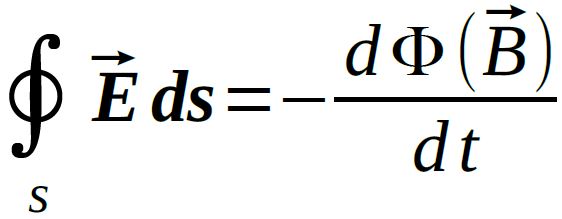
CISPR standards require testing each product from a conducted and radiated fields perspective. CISPR 11 and CISPR 32 require testing the conducted noise from 150KHz up to 30MHz. CISPR 25, addressing automotive products, requires testing the systems up to 108MHz. To complicate the understanding the MIL standards require testing the conducted noise up to 400MHz. Thus the question of what makes a noise conducted or radiated is legitimized. Things can get clarified if the Maxwell’s equations are taken into account to better analyze the effects of the conducted and radiated noise and from where they come from.
DC-DC Converter - SYNC pin from EMC perspective
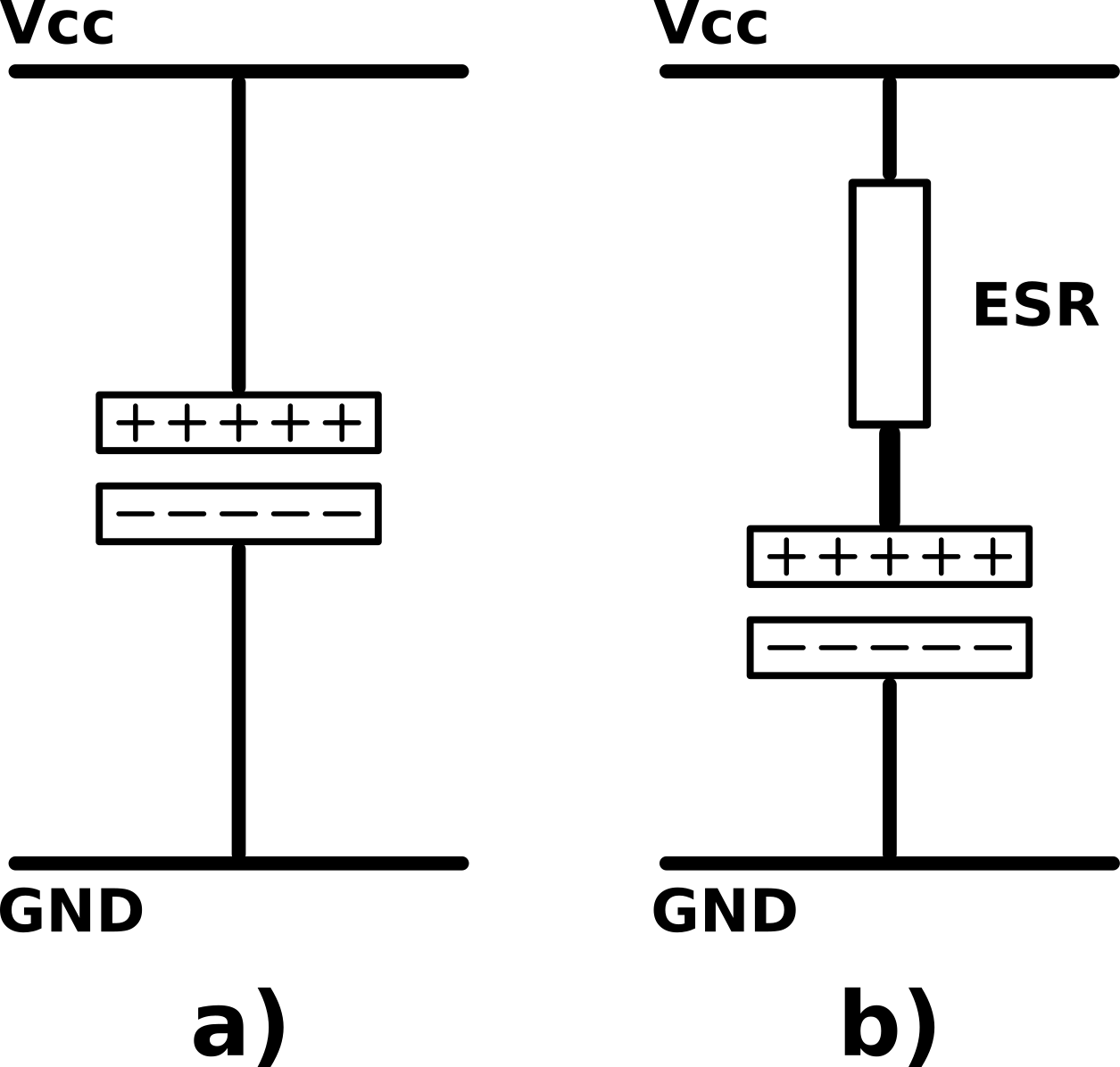
Among the engineering challenges and trade-offs, beside the technical ones, there is always the system cost. The main design goal is typically to achieve what the marketing department asks for, with the minimal cost. This will enable a cheaper product and would allow a better revenue margin by selling the product in the market. The SYNC pin is a typical feature offered by high current DC-DC converters (typically from 2A and higher) that enables reducing the size of the input capacitance in case multiple DC-DC converters are required. The article will introduce how and why the SYNC feature is used, and which benefit may bring also from the EMC perspective.
Altri articoli …
Registrati al sito
Accedi a tutte le risorse e articoli non visibili pubblicamente, puoi registrarti con pochi passi.